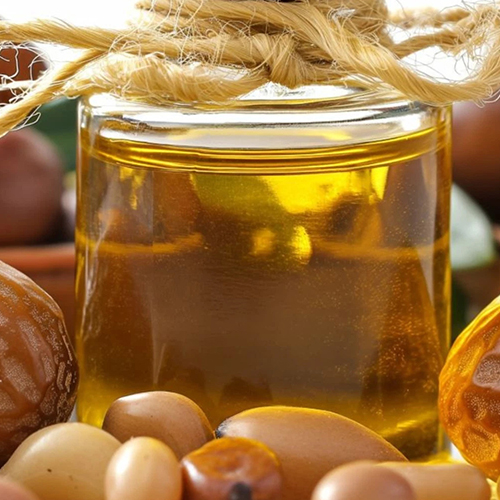
Argan Kernel Selection and Cleaning: Ensuring Quality for Cosmetic Argan Oil
The quality of premium Moroccan cosmetic argan oil begins with the careful selection, cleaning, and storage of argan kernels. These essential preparation stages help manufacturers maintain raw-material quality and establish a reliable foundation for cosmetic oil extraction.
Why Argan Kernel Selection Matters
After argan fruits are harvested, dried, and processed to recover their kernels, the kernels undergo careful inspection and sorting. This stage separates suitable raw materials from defective or contaminated material before the oil extraction process begins.
For Moroccan argan oil manufacturers, cosmetic laboratories, skincare brands, and international importers, proper kernel selection is an important part of quality assurance. It helps support production consistency and reduce the risk of introducing undesirable material into subsequent processing stages.
1. Sorting Argan Kernels for Quality Control
Argan kernels are visually inspected and sorted to identify material that does not meet the processor's quality requirements. Careful sorting helps ensure that selected kernels are suitable for the intended cosmetic argan oil production process.
What Is Removed During Kernel Sorting?
- Broken or damaged kernels: Damaged pieces that may be unsuitable for the intended processing method.
- Discolored kernels: Kernels with unusual discoloration that may indicate deterioration or poor raw-material quality.
- Moldy kernels: Kernels showing visible mold or signs of fungal damage must be rejected.
- Contaminated material: Foreign matter, dirt, and other undesirable substances are removed.
- Other defective material: Kernels that fail to meet the manufacturer's established acceptance criteria are separated from the selected batch.
Effective sorting contributes to a more uniform raw-material supply and supports consistent manufacturing practices for cosmetic-grade argan oil.
2. Cleaning Argan Kernels Before Oil Extraction
After sorting, selected argan kernels are cleaned to remove residual shell fragments, dust, and other foreign materials that may remain after cracking and handling.
Cleaning procedures should be appropriate for the production facility and designed to protect the integrity of the kernels. Proper handling also helps minimize the introduction of new contaminants during preparation.
For bulk argan oil manufacturers and international buyers, kernel cleaning is an important component of raw-material preparation. It helps reduce avoidable quality issues and supports better control of the subsequent extraction, filtration, and packaging operations.
3. Keeping Argan Kernels Dry and Properly Stored
Once cleaned, argan kernels should be kept dry and protected from moisture, contamination, and unsuitable storage conditions. Excess moisture can encourage mold growth and compromise raw-material quality.
Good Storage Practices for Argan Kernels
- Use clean, dry, and well-maintained storage areas.
- Protect kernels from moisture and condensation.
- Prevent contact with dust, pests, and foreign substances.
- Use suitable containers or packaging during storage and transport.
- Maintain batch identification and traceability where required.
Appropriate storage management helps preserve the condition of selected kernels before they enter the cosmetic argan oil extraction process.
4. Why Cosmetic Argan Oil Kernels Must Not Be Roasted
One of the most important distinctions between cosmetic and traditional culinary argan oil production is whether the kernels are roasted before extraction.
Cosmetic argan oil is produced from non-roasted argan kernels. Unlike traditional culinary argan oil production, the cosmetic process does not include roasting the kernels before extraction.
Avoiding roasting helps prevent heat-related changes to the raw material and supports the production of oil intended for skincare, personal care, and cosmetic formulation applications.
Applications of Cosmetic Argan Oil
- Facial serums and moisturizing oils.
- Anti-aging skincare formulations.
- Hair oils, conditioners, and scalp-care products.
- Body lotions, creams, and massage oils.
- Natural cosmetics and botanical beauty products.
- Private-label skincare and personal care ranges.
International buyers sourcing cosmetic-grade argan oil should confirm that the supplier uses non-roasted kernels and follows appropriate processing and quality-control procedures.
5. Quality Control and Traceability for B2B Buyers
Professional argan oil production requires effective quality-control procedures throughout raw-material preparation and oil processing. Kernel inspection is an important first step, but it should be supported by appropriate controls throughout the production chain.
Depending on buyer requirements, quality assurance may include:
- Inspection of incoming and cleaned argan kernels.
- Monitoring of storage conditions and moisture risks.
- Prevention of cross-contamination.
- Batch identification and raw-material traceability.
- Documented cleaning and handling procedures.
- Relevant laboratory testing of the finished oil.
- Technical specifications and certificates where applicable.
Buyers should request product specifications and relevant analytical reports when evaluating potential Moroccan argan oil suppliers. Finished oil should be assessed against the agreed specifications and the requirements of the destination market.
6. From Clean Argan Kernels to Premium Moroccan Cosmetic Oil
Kernel selection and cleaning connect the initial stages of argan fruit processing with the production of cosmetic oil. Once the kernels pass the required inspection and preparation checks, they can proceed to an appropriate oil extraction process.
The subsequent production stages may include:
- Preparation and inspection of selected kernels.
- Mechanical oil extraction using a suitable method.
- Filtration to remove suspended particles.
- Quality assessment against product specifications.
- Packaging and preparation for shipment.
Each stage contributes to the quality and consistency of the final product. For international manufacturers and distributors, transparent sourcing and documented processing procedures can support reliable procurement and long-term supply relationships.
7. Sourcing Moroccan Cosmetic Argan Oil for International Markets
Morocco is the principal source of authentic argan oil, making it an important origin for international cosmetic manufacturers, skincare brands, wholesalers, and importers. Buyers should evaluate suppliers based on product quality, production methods, documentation, packaging options, and export capabilities.
When requesting a quotation, B2B buyers should specify:
- Required quantity and purchasing frequency.
- Cosmetic-grade product specifications.
- Bulk or retail-ready packaging requirements.
- Destination country and preferred shipping arrangements.
- Required technical documentation and laboratory reports.
- Private-label or contract manufacturing requirements, if applicable.
Clear purchasing requirements help suppliers prepare more accurate quotations and assess the suitability of their products for the buyer's intended application.
Request a Quotation for Moroccan Cosmetic Argan Oil
Are you looking for a reliable source of Moroccan cosmetic argan oil for skincare manufacturing, beauty product development, wholesale distribution, or private-label production?
Contact our team to discuss your requirements for cosmetic argan oil, including bulk quantities, technical specifications, packaging formats, and international shipping arrangements.
We welcome inquiries from cosmetic manufacturers, skincare brands, distributors, wholesalers, and international importers interested in establishing long-term B2B sourcing partnerships.
Request a quotation today and discuss your Moroccan cosmetic argan oil sourcing requirements with our team.
Frequently Asked Questions About Argan Kernel Selection and Cleaning
Why is argan kernel selection important?
Sorting removes defective, moldy, discolored, or contaminated material, helping improve raw-material consistency and reduce the risk of quality problems during oil production.
Are argan kernels for cosmetic oil roasted?
No. Cosmetic argan oil is produced from non-roasted kernels. Roasting is associated with traditional culinary argan oil production.
How should cleaned argan kernels be stored?
Kernels should be stored in clean, dry, protected conditions that minimize moisture exposure, contamination, and deterioration.
What happens after argan kernels are cleaned?
Suitable kernels proceed to oil extraction, followed by appropriate filtration, quality-control checks, and packaging operations.
What should international buyers check when sourcing cosmetic argan oil?
Buyers should review the origin, extraction process, product specifications, quality-control procedures, traceability, relevant laboratory reports, packaging options, and export documentation.
Can cosmetic argan oil be supplied in bulk?
Bulk supply depends on the supplier's production capacity, available stock, packaging formats, and export arrangements. Buyers should specify the required volume, destination, and technical requirements when requesting a quotation.