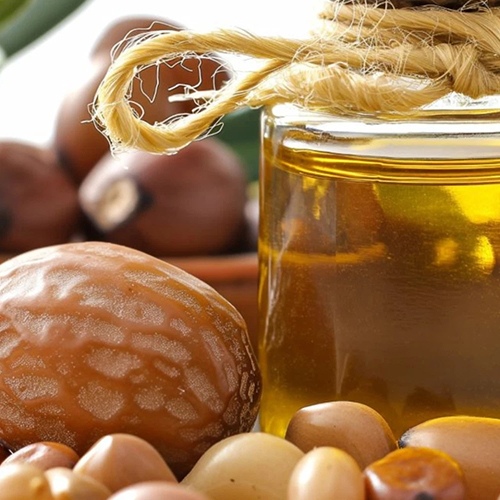
Introduction to Mechanical Cold-Pressed Argan Oil
Mechanical cold pressing is an important stage in producing premium Moroccan argan oil for cosmetic applications. This extraction method uses mechanical pressure to recover oil from carefully selected, unroasted argan kernels while helping preserve the natural characteristics of the finished product.
For international cosmetic manufacturers, skincare brands, private-label companies and cosmetic ingredient distributors, the extraction process is an important consideration when sourcing bulk cosmetic-grade argan oil from Morocco.
By combining properly prepared kernels, controlled pressing conditions and appropriate handling procedures, producers can obtain argan oil intended for facial serums, moisturizers, hair oils, body care products and other personal care formulations.
How Does Mechanical Cold Pressing of Argan Oil Work?
Mechanical cold pressing is a physical extraction process in which pressure is applied to unroasted argan kernels using suitable equipment, such as a screw oil press. Hydraulic systems may also be used depending on the producer's process and production needs. Unlike solvent extraction, this method relies on mechanical force to release the oil naturally present in the kernels.
01. Kernel Preparation
Clean, dry and inspect the unroasted argan kernels before introducing them into the extraction equipment.
02. Mechanical Pressing
Feed the kernels into the press and apply mechanical pressure to release the oil.
03. Temperature Control
Monitor operating conditions to limit unnecessary heat exposure and help protect oil quality.
04. Oil Collection
Collect the extracted oil under hygienic conditions before settling, filtration and quality assessment.
1. Preparing the Unroasted Argan Kernels
Before pressing, argan kernels should be inspected to remove unsuitable material, including visibly damaged kernels and foreign matter. Proper raw material preparation helps support consistent extraction and reduces the risk of contamination. For cosmetic-use argan oil, the kernels are not roasted.
2. Feeding the Mechanical Oil Press
The prepared kernels are introduced into the extraction machine. A screw press generally operates continuously, compressing the kernels as they move through the pressing chamber. Other mechanical systems may be used according to the production setup.
Equipment selection depends on production capacity, extraction efficiency, operating conditions and the quality requirements established by the producer and buyer.
3. Extracting Oil Under Controlled Temperatures
During pressing, mechanical pressure releases the oil contained in the kernels. Temperature management is important because excessive heat may affect oil characteristics and oxidation stability.
Producers targeting premium cosmetic applications should monitor pressing conditions and minimize unnecessary heat exposure. The term cold-pressed argan oil should be supported by the actual process conditions and documented temperature controls rather than used solely as a marketing claim.
4. Collecting the Extracted Argan Oil
The extracted oil is collected separately from the solid press cake. Depending on the equipment and operating conditions, crude oil may contain fine suspended particles. Hygienic collection and suitable handling help maintain product quality before subsequent processing.
5. Settling and Filtration
After mechanical pressing, the oil may be allowed to settle and then filtered to remove suspended solids. Appropriate filtration can improve clarity and prepare the oil for further quality assessment and packaging.
Filtration methods should be selected according to the intended cosmetic application and the buyer's technical specifications.
Benefits of Mechanically Cold-Pressed Argan Oil for Cosmetics
Cosmetic manufacturers value argan oil as a plant-derived ingredient for a wide range of personal care formulations. Mechanical pressing offers a solvent-free extraction approach when compared with chemical solvent-based methods.
- Mechanical extraction: Oil is recovered through physical pressure without chemical solvent extraction.
- Unroasted raw material: Suitable for the production of cosmetic-use argan oil.
- Temperature management: Controlled conditions help minimize unnecessary heat exposure.
- Natural lipid composition: Argan oil contains naturally occurring oleic acid, linoleic acid and other minor lipid constituents.
- Versatile applications: Suitable for consideration in facial oils, moisturizers, body oils, hair treatments and other cosmetic formulations.
- Traceability: Documented sourcing and batch records help B2B buyers assess product consistency and supplier reliability.
The final oil's quality depends on the raw material, pressing conditions, filtration, storage and handling. Buyers should evaluate the finished product using appropriate technical documentation and analytical results.
Quality Control for Cosmetic-Grade Argan Oil
International buyers require more than an attractive product description. Reliable bulk argan oil sourcing should be supported by suitable quality-control procedures and documentation.
Key Quality Parameters
- Acid value or free fatty acid value: Helps assess hydrolytic deterioration.
- Peroxide value: Indicates primary lipid oxidation.
- Moisture and volatile matter: Helps assess product condition and storage suitability.
- Appearance, color and odor: Should be assessed against the agreed product specification.
- Fatty acid profile: Supports verification of oil composition and identity.
- Contaminant testing: Should reflect the product's risk profile and destination-market requirements.
- Microbiological assessment: May be required according to the intended cosmetic application and relevant buyer specifications.
A batch-specific Certificate of Analysis (COA) allows importers to review agreed analytical parameters. A Technical Data Sheet (TDS) and Safety Data Sheet (SDS) may also be requested as part of the supplier qualification process.
Packaging and Storage of Cold-Pressed Argan Oil
After extraction and filtration, cosmetic-grade argan oil should be transferred into clean, compatible packaging that protects it from excessive exposure to light, heat, air and contamination. Suitable packaging and storage conditions help maintain quality during warehousing and international transport.
Recommended handling practices include:
- Using clean, tightly sealed, oil-compatible containers.
- Minimizing unnecessary exposure to air.
- Protecting containers from direct sunlight and excessive heat.
- Maintaining batch identification and traceability.
- Following documented storage and transport conditions.
For bulk international shipments, packaging options may include suitable drums or other compatible industrial containers, depending on order volume, buyer requirements and shipment conditions.
Bulk Cosmetic Argan Oil from Morocco: B2B Sourcing
Morocco is internationally recognized for argan oil, making Moroccan producers and exporters potential sourcing partners for companies seeking this specialty botanical ingredient. Mechanically cold-pressed cosmetic argan oil can serve the needs of businesses purchasing ingredients for manufacturing, distribution and private-label product development.
Who Buys Bulk Cosmetic Argan Oil?
- Cosmetic and skincare manufacturers.
- Natural beauty and personal care brands.
- Private-label skincare companies.
- Haircare and body-care manufacturers.
- Cosmetic ingredient importers and distributors.
- Contract manufacturers and formulation laboratories.
- Wholesale suppliers of botanical oils and natural ingredients.
Information to Include in a B2B Inquiry
To obtain a relevant quotation for bulk Moroccan argan oil, international buyers should specify the required quantity, technical parameters, packaging format, destination country or port, preferred Incoterm and documentation requirements.
Depending on the market and application, buyers may also request product samples, a fatty acid profile, a batch-specific COA, origin documentation, and relevant certification records. Organic and other certification claims should be supported by valid documentation where applicable.
Frequently Asked Questions About Cold-Pressed Argan Oil
What is mechanical cold pressing of argan oil?
It is a physical extraction method that uses pressure to recover oil from unroasted argan kernels without chemical solvent extraction. Temperature management is important when producing oil described as cold-pressed.
Are argan kernels roasted before cosmetic oil extraction?
No. Cosmetic-use argan oil is generally produced from unroasted kernels. Roasting is associated with the traditional preparation of kernels for culinary argan oil.
Is cold-pressed argan oil suitable for skincare?
Argan oil can be used in facial oils, creams, lotions, haircare products and other personal care formulations, subject to product quality, formulation suitability and applicable regulatory requirements.
Does mechanical pressing require chemical solvents?
No. Mechanical pressing uses physical pressure to extract oil from the kernels rather than chemical solvent extraction.
What documents should bulk importers request?
Buyers may request a Technical Data Sheet (TDS), Safety Data Sheet (SDS), batch-specific Certificate of Analysis (COA), fatty acid profile, relevant contaminant test results, origin documents and applicable certification records.
Source Moroccan Cosmetic Argan Oil for Your Business
Looking for a Moroccan supplier of cosmetic-grade argan oil for skincare, haircare or personal care manufacturing? Discuss your bulk requirements, technical specifications, packaging preferences and international shipping needs with our sales team.