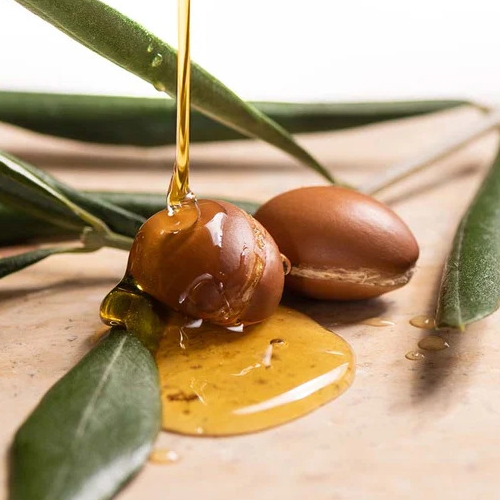
Removing Argan Fruit Pulp and Cracking the Shells: A Key Stage in Moroccan Argan Oil Production
Discover how Moroccan argan fruits are processed to recover valuable kernels used in the production of premium cosmetic argan oil for international skincare, haircare, and personal care industries.
Argan Kernel Extraction: From Dried Fruits to Valuable Raw Materials
The removal of dried pulp and the cracking of argan shells are essential stages in the traditional Moroccan argan oil production process. Following harvesting and drying, argan fruits are processed to recover the kernels hidden inside their exceptionally hard shells. These kernels provide the raw material for manufacturing cosmetic-grade argan oil, a highly valued ingredient among international cosmetics manufacturers, skincare brands, beauty product formulators, and private-label distributors.
At this stage, careful handling, cleanliness, and precise processing techniques are important for preserving kernel integrity and preparing the raw material for subsequent oil extraction.
1. Removing the Dried Pulp from Argan Fruits
After the harvested argan fruits have been adequately dried, the outer pulp becomes easier to remove. The dried fruit pulp is separated from the hard nut to expose the shell containing the valuable kernels.
This operation helps eliminate unwanted fruit residues and prepares the nuts for cracking. Proper pulp removal also facilitates handling, sorting, and subsequent kernel recovery, contributing to an efficient argan fruit processing workflow.
For Moroccan argan oil producers and bulk ingredient suppliers, effective pulp removal is an important step in preparing consistent raw materials for cosmetic oil manufacturing.
2. Cracking the Hard Argan Shells to Recover the Kernels
Once the dried pulp has been removed, the hard argan nuts are cracked to extract the kernels. Because argan shells are exceptionally tough, this process requires precision and suitable techniques to minimize kernel breakage and prevent contamination by shell fragments.
Traditional Manual Argan Shell Cracking
Traditionally, Moroccan argan kernels are recovered by hand using stones or other suitable tools. This labor-intensive technique reflects generations of local expertise and remains an important part of Morocco's argan oil production heritage.
Mechanical Argan Kernel Extraction
Mechanical cracking equipment can also be used by producers seeking greater processing capacity. Depending on the equipment, nuts can be processed more efficiently while maintaining appropriate control over kernel damage and shell separation.
The choice between manual and mechanical cracking depends on production volumes, labor availability, processing costs, and the required quality of the recovered kernels.
3. Preserving Argan Kernel Quality for Cosmetic Oil Production
The condition of the recovered kernels is important for the manufacture of high-quality cosmetic argan oil. Careful cracking helps reduce unnecessary damage, while sorting and inspection facilitate the removal of shell fragments and other foreign materials.
Following extraction, the kernels can be inspected and prepared for the next production stages. For cosmetic applications, argan kernels are generally processed without roasting, unlike the traditional preparation used for culinary argan oil.
Appropriate handling, hygienic processing conditions, and batch traceability help manufacturers maintain consistent raw material quality throughout the production chain.
4. From Argan Kernels to Cosmetic-Grade Argan Oil
After the kernels have been recovered and inspected, they proceed to the next stages of cosmetic argan oil manufacturing. Depending on the production method, these stages may include kernel preparation, mechanical pressing, filtration, and quality control.
Cosmetic argan oil is valued for its naturally occurring fatty acids, including oleic acid and linoleic acid, as well as tocopherols and other naturally occurring minor components. Its composition makes it a sought-after ingredient for a wide range of personal care and beauty formulations.
Applications of Cosmetic Argan Oil
- Facial serums and moisturizing creams
- Hair oils, conditioners, and haircare treatments
- Body oils and nourishing skincare products
- Massage oils and premium personal care formulations
- Natural cosmetics and private-label beauty products
- Bulk cosmetic ingredients for industrial formulation
5. Quality Control and Traceability for International B2B Buyers
For international importers, cosmetics manufacturers, and distributors, argan shell cracking is one stage in a broader quality management process. Reliable suppliers should provide relevant technical information and documentation according to the product specifications and requirements of the destination market.
Depending on the buyer's requirements, documentation may include:
- Product identity: Argania Spinosa Kernel Oil.
- Intended use: Cosmetic and personal care manufacturing.
- Processing details: Kernel preparation and oil extraction method.
- Quality documentation: Certificate of Analysis (COA), where available.
- Traceability: Origin, production batch, and relevant processing records.
- Technical documents: Safety Data Sheet (SDS) and technical data, where applicable.
- Packaging: Bulk packaging suitable for storage and international transportation.
- Certifications: Organic or other certifications where applicable and verified.
Clear specifications and appropriate documentation help B2B buyers evaluate product suitability, establish dependable sourcing relationships, and maintain consistent procurement standards.
Why Source Cosmetic Argan Oil from Morocco?
Morocco is the principal country of origin for argan oil, supported by a distinctive argan-growing region and established processing traditions. Moroccan suppliers serve international markets seeking argan oil for cosmetic formulations, natural skincare products, haircare solutions, and beauty ingredient distribution.
When selecting a supplier, international buyers should evaluate product specifications, extraction methods, quality controls, batch traceability, packaging options, minimum order quantities, and export capabilities.
Understanding the production process, from harvesting and drying to pulp removal, shell cracking, kernel recovery, and oil extraction, provides valuable insight into the sourcing of cosmetic argan oil.
Partner with a Moroccan Cosmetic Argan Oil Supplier
Are you a cosmetics manufacturer, skincare brand, ingredient distributor, wholesaler, or private-label company looking to source cosmetic argan oil from Morocco?
Contact our team to discuss your requirements for bulk cosmetic argan oil, including quantities, technical specifications, packaging preferences, quality documentation, and international shipping arrangements.
Build a reliable supply chain for Moroccan argan oil and high-quality cosmetic ingredients.